Last Updated on November 20, 2017
San Francisco, CA: This World GIS Day, US-based nonprofit Digital Democracy is celebrating a $525,000 grant from the Leonardo DiCaprio Foundation to build-out their innovative mapping tool Mapeo.
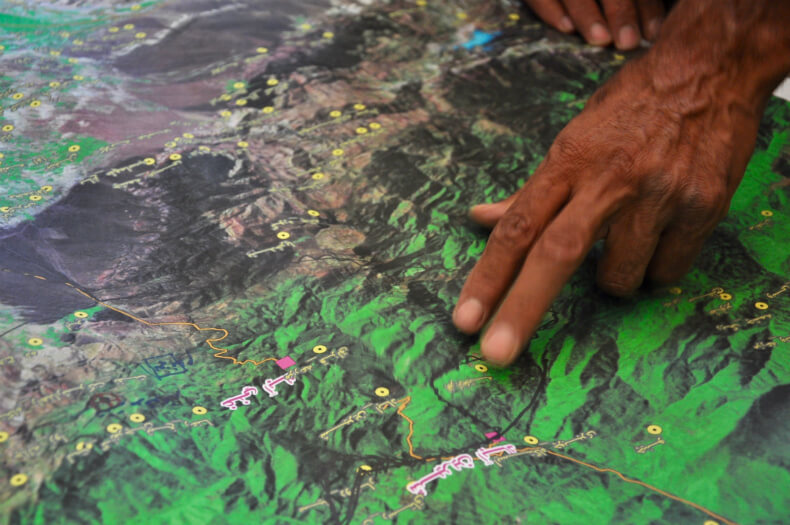
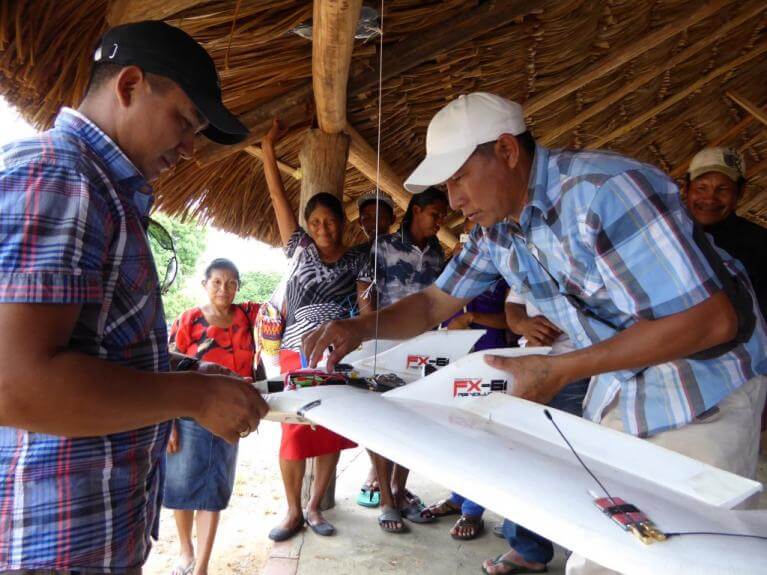
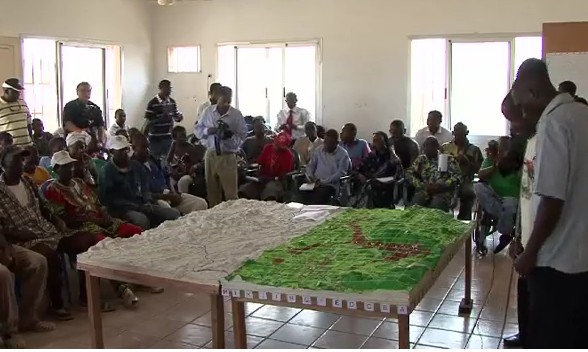
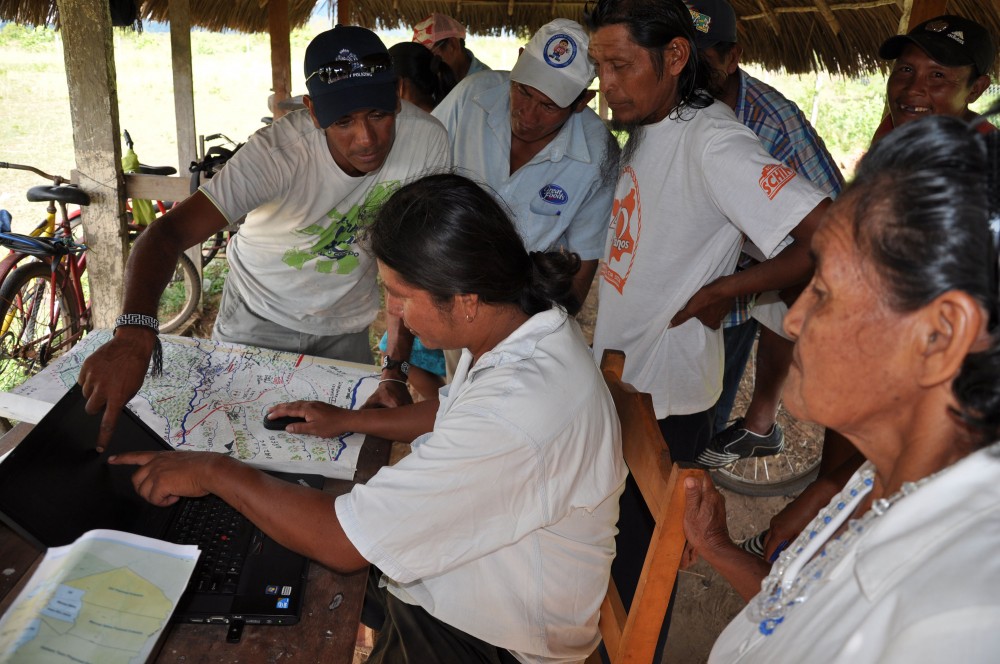
“World GIS Day is a celebration of how GIS technology is applied, and today Digital Democracy celebrates with the public launch of Mapeo thanks to this grant from the Leonardo DiCaprio Foundation,” said Emily Jacobi, Digital Democracy Executive Director. “For the past four years, we have been working directly with indigenous communities in the Amazon to test and prototype tools for mapping and territorial monitoring. Our vision is for the full Mapeo desktop and mobile suite to be used by communities all over the world.”
Digital Democracy is seeking matching support from other foundations and individual donors for 2018. Over the next few years, the organization aims to acquire multi-million dollar investments for the technical development of Mapeo mobile app and desktop suite. They are also seeking support to pilot Mapeo with additional community partners in new regions outside of the Amazon.
“We are thrilled to support Digital Democracy and the development of this technology,” said Justin Winters, Executive Director of the Leonardo DiCaprio Foundation. “Mapeo is a cutting-edge tool that has been built in deep partnership with local and indigenous communities, helping them gather the data and information that is necessary to protect their lands, waters, and way of life.”
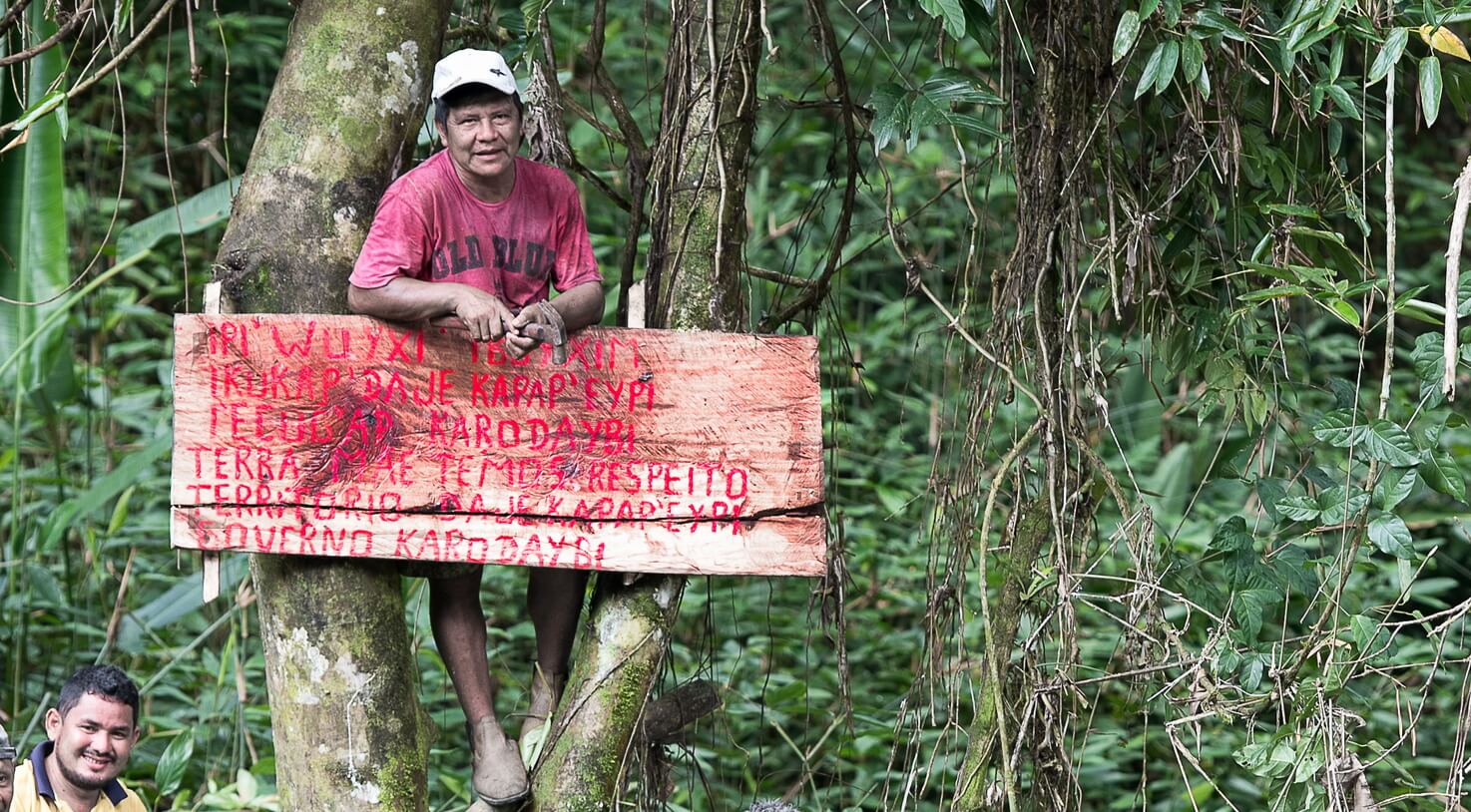
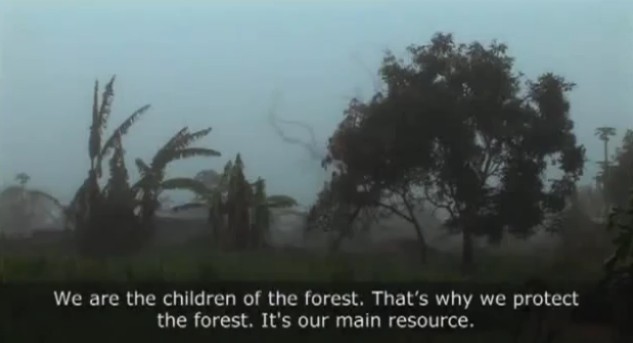
Working with indigenous peoples and other marginalized communities across the globe, Digital Democracy builds mapping and documentation technology to equip local groups with tools they need to protect their territory from threats including illegal mining and deforestation. Digital Democracy is currently prototyping tools with partners across the Amazon region, and have specifically piloted Mapeo with partners Amazon Frontlines and Alianza Ceibo in the Ecuadorian Amazon. Members of the Waorani Nation working with Alianza Ceibo are using Mapeo to map and defend their ancestral territory of 800,000 hectares (two million acres) of Amazon rainforest.
“With Mapeo we have, for the first time, a tool that we can use to make our own maps, and we can build a strong team of people who can train others to map,” said Opi Nenquimo, the Waorani project lead from Alianza Ceibo. “The mapping project has united many villages to defend and manage their lands together. And it is a process which is leaving a legacy for the future, both the maps and the skills, that our people can use to fight for our livelihoods and our rights.”
Worldwide, there are more than 5,0000 indigenous peoples whose traditional territories encompass 80% of the world’s remaining biodiversity. However, only 10% of that land is legally recognized. Mapeo is a critical tool to help these communities map their territory, gain legal title over their land, and protect their biodiverse territories.
“For us, the technology behind Mapeo is not the solution, but rather how it enables communities to collaborate and document the world around them. With Mapeo local communities will be able to manage their own information, create their own maps and use both to stop environmental and human rights abuses,” said Jacobi.
###
Across the world right now, Indigenous peoples are facing a renewed assault on their lands, rights, and ways of life.
From extractive industries pushing deeper into ancestral territories, to governments rolling back hard-won protections,
the threat is global—and it is growing.
What makes this moment especially dangerous is how little attention it receives.
Stories like this are disappearing in real time. Mainstream media
barely covers it and the coverage is fragmented. The public is left without the context
needed to understand what is truly at stake.
That is exactly why IC Magazine exists..
For more than 20 years, IC has reported on Indigenous struggles worldwide — consistently, independently, and without compromise.
We don’t follow news cycles; we trace patterns. We don’t sensationalize; we provide context.
And when the world looks away, we stay focused.
But this work is increasingly difficult to sustain.
We refuse to lock our reporting behind a paywall. We don’t sell access through subscriptions.
And we don’t answer to advertisers. IC Magazine survives solely because readers like you choose to
support independent Indigenous journalism.
Please donate today if you can. Every contribution helps us to continue this crucial work.
Thank you,
John Ahni Schertow
Founder and Editor in Chief