Last Updated on November 13, 2011
After participating in the United Nations Permanent Forum, a delegation of 6 individuals from Taiwan came to realize that it’s time for the Indigenous Peoples of Taiwan to begin doing more to protect their rights.
From the Taipei Times: “Although we’re a minority, Aboriginals in Taiwan and in Japan are actually better off than indigenous peoples in many other countries,” Kao Ching-yi (???) said. “We should therefore join others in their struggle for rights.” (source)
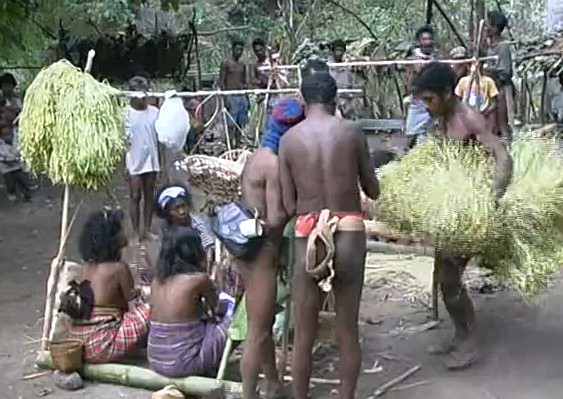
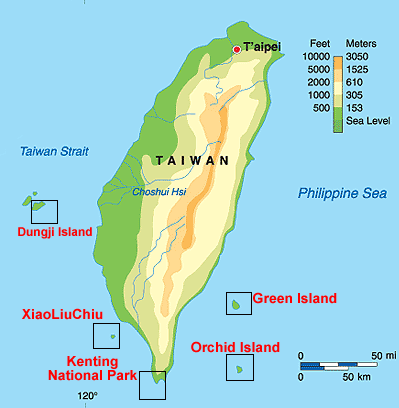
In related news, people from the Tao Tribe recently held a gathering on Orchid Island (just off the coast of Taiwan) to teach some of their culture to a largely ethnic Chinese population.
From Reuters: “We want people to know what ocean culture is, that it’s not just a fantasy,” Shyaman Vengayan, organiser of the event, said. Orchid aborigines live now much as they have since Taiwan assumed control of the island 61 years ago. But like many minority tribes across the globe, their way of life is being threatened by an influx of outside influences and departure of youth for the big cities of nearby Taiwan…
Indigenous activists are also working to get Taiwan’s 13 recognised tribes, totalling about 400,000 people, to work together so they can lobby for their rights as a single tribe.
Activists say visits to the Philippines to study that nation’s inter-tribal activism as their own tribes drift apart could help Taiwanese aborigines – some of whom are actually ethnically related to Philippine tribes – to better challenge developments threatening their way of life. (source)
Across the world right now, Indigenous peoples are facing a renewed assault on their lands, rights, and ways of life.
From extractive industries pushing deeper into ancestral territories, to governments rolling back hard-won protections,
the threat is global—and it is growing.
What makes this moment especially dangerous is how little attention it receives.
Stories like this are disappearing in real time. Mainstream media
barely covers it and the coverage is fragmented. The public is left without the context
needed to understand what is truly at stake.
That is exactly why IC Magazine exists..
For more than 20 years, IC has reported on Indigenous struggles worldwide — consistently, independently, and without compromise.
We don’t follow news cycles; we trace patterns. We don’t sensationalize; we provide context.
And when the world looks away, we stay focused.
But this work is increasingly difficult to sustain.
We refuse to lock our reporting behind a paywall. We don’t sell access through subscriptions.
And we don’t answer to advertisers. IC Magazine survives solely because readers like you choose to
support independent Indigenous journalism.
Please donate today if you can. Every contribution helps us to continue this crucial work.
Thank you,
John Ahni Schertow
Founder and Editor in Chief