
Last Updated on July 18, 2025
Brazil’s Chamber of Deputies has passed sweeping legislation that critics say represents the most significant rollback of environmental protections in decades. Dubbed the “Devastation Bill” by environmentalists and Indigenous rights advocates, the measure—officially known as Bill 2159/2021—was approved by a vote of 267 to 116 on Wednesday. It now awaits the decision of President Luiz Inácio Lula da Silva, who has 15 working days to sign or veto the bill.
Previously approved by the Senate in May, the legislation drastically weakens Brazil’s environmental licensing system, prompting fears of unchecked deforestation, accelerated development in sensitive ecosystems, and the marginalization of Indigenous and traditional communities.
Under the new bill, many development projects—especially those deemed “medium risk”—will no longer be subject to detailed environmental review. Instead, developers can obtain licenses by filling out digital self-assessment forms, a process critics say eliminates meaningful oversight.
The legislation also introduces an expedited category of “strategic” infrastructure licensing, designed to fast-track projects of national interest. This provision could greenlight controversial ventures such as oil exploration near the mouth of the Amazon River and reconstruction of the BR-319 highway, which runs through one of the world’s most biodiverse regions. As Mongabay reports, the highway would affect 40 conservation areas and 50 Indigenous territories.
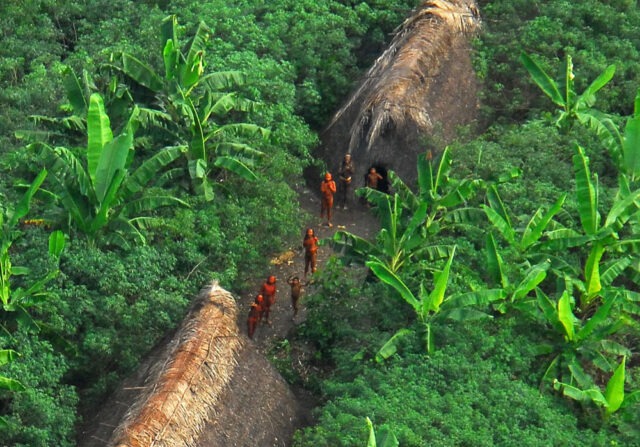
Additionally, federal agencies responsible for protecting Indigenous and quilombola communities will only be consulted on environmental licensing if a project affects formally recognized territories. Since more than 30% of Indigenous lands and 80% of quilombola lands lack official demarcation, the law effectively strips those communities of legal protections.
Dinamam Tuxá, executive coordinator of the Articulation of Indigenous Peoples of Brazil (APIB), told the Guardian that the law’s approval is “the legalization of a process of extermination of Indigenous peoples”.
The bill has drawn fierce opposition from a coalition of more than 350 civil society organizations, including the Climate Observatory and Instituto Socioambiental. In a joint statement, the groups condemned the measure as “the destruction of the licensing system” and a threat to Brazil’s biodiversity and climate commitments.
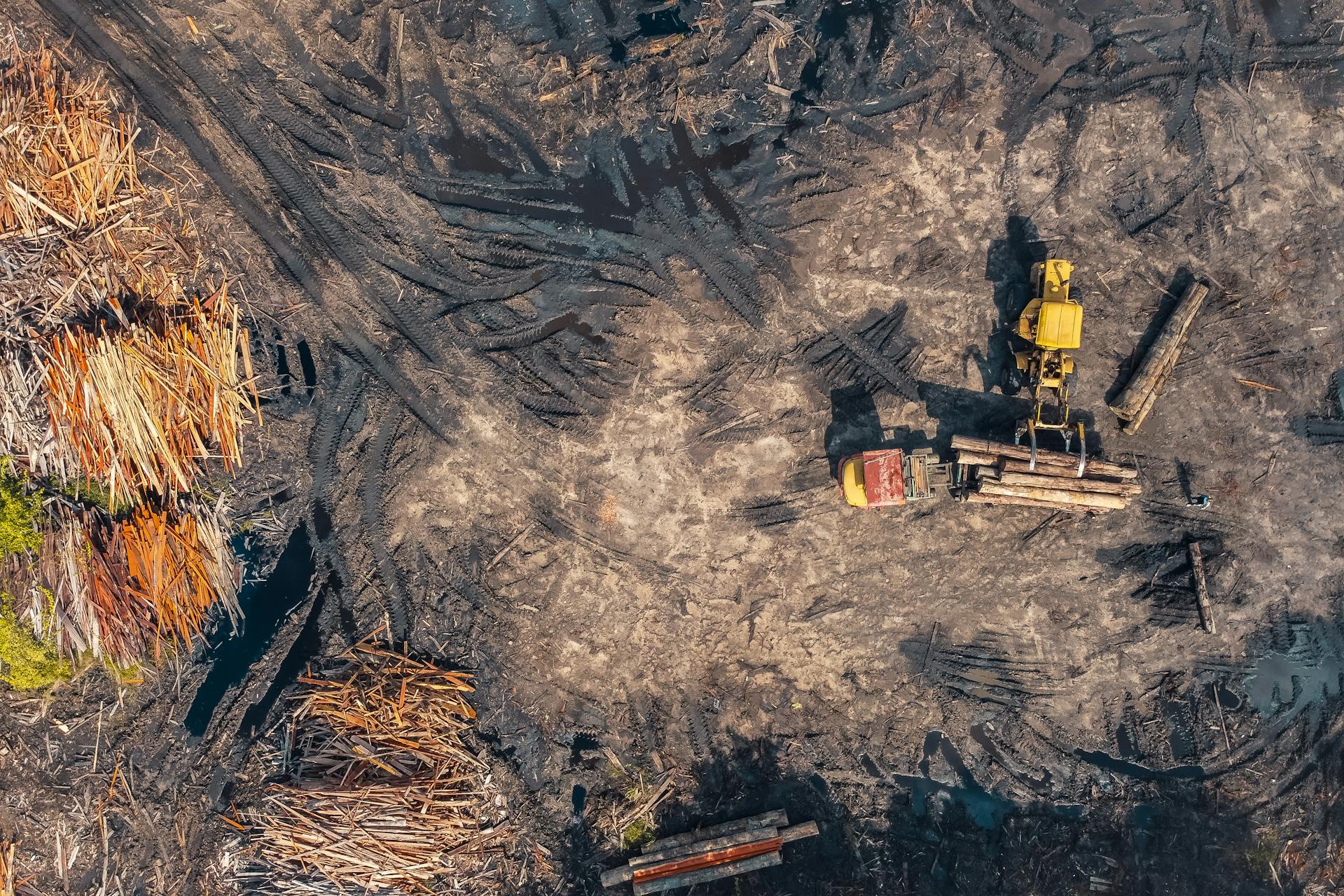
The critics warn that the law could lead to a surge in deforestation by removing institutional safeguards that previously required environmental impact assessments and public consultation. With enforcement mechanisms now severely weakened, extractive industries stand to benefit significantly.
Environmental Minister Marina Silva, a long-time ally of President Lula, called the bill “a burial of environmental licensing,” highlighting the internal political rift it has exposed within Lula’s administration.
“The implosion of environmental licensing is not only unconstitutional—it’s a betrayal of Brazil’s global climate leadership,” said Suely Araújo, the public policy coordinator at the Climate Observatory network.
“Brazil is sending a signal to the world that it prioritizes short-term economic interests over environmental protection and Indigenous rights,” said André Freitas, legal coordinator at Instituto Socioambiental. “This is a disastrous precedent.”
The Climate Observatory emphasized that the bill conflicts with Brazil’s constitutional obligations, international agreements such as the Paris Accord, and the International Labour Organization’s Convention 169, which guarantees the right of Indigenous peoples to be consulted on matters affecting their territories.
President Lula, who campaigned on promises of ecological stewardship and protection of Indigenous rights, now faces mounting pressure to veto the bill even if the president’s decision can be overturned by Congress.
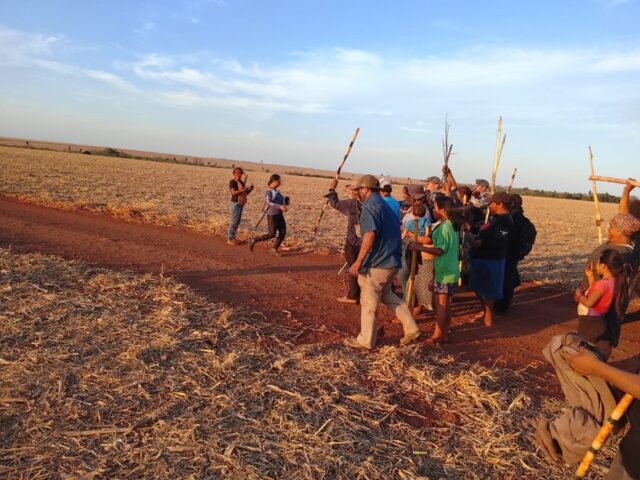
Brazil’s Indigenous peoples will undoubtedly mobilize en masse to resist the new law, as they have on so many other occasions in the past.
Across the world right now, Indigenous peoples are facing a renewed assault on their lands, rights, and ways of life.
From extractive industries pushing deeper into ancestral territories, to governments rolling back hard-won protections,
the threat is global—and it is growing.
What makes this moment especially dangerous is how little attention it receives.
Stories like this are disappearing in real time. Mainstream media
barely covers it and the coverage is fragmented. The public is left without the context
needed to understand what is truly at stake.
That is exactly why IC Magazine exists..
For more than 20 years, IC has reported on Indigenous struggles worldwide — consistently, independently, and without compromise.
We don’t follow news cycles; we trace patterns. We don’t sensationalize; we provide context.
And when the world looks away, we stay focused.
But this work is increasingly difficult to sustain.
We refuse to lock our reporting behind a paywall. We don’t sell access through subscriptions.
And we don’t answer to advertisers. IC Magazine survives solely because readers like you choose to
support independent Indigenous journalism.
Please donate today if you can. Every contribution helps us to continue this crucial work.
Thank you,
John Ahni Schertow
Founder and Editor in Chief