Last Updated on October 10, 2025
“The Saskatchewan government is trying to impose a nuclear project on a community and a province that doesn’t want it. They’re turning a blind eye to election irregularities, physical intimidation and psychological abuse in northern communities to allow NWMO to find a site for Eastern Canada’s high-level radioactive waste.” -Pat McNamara
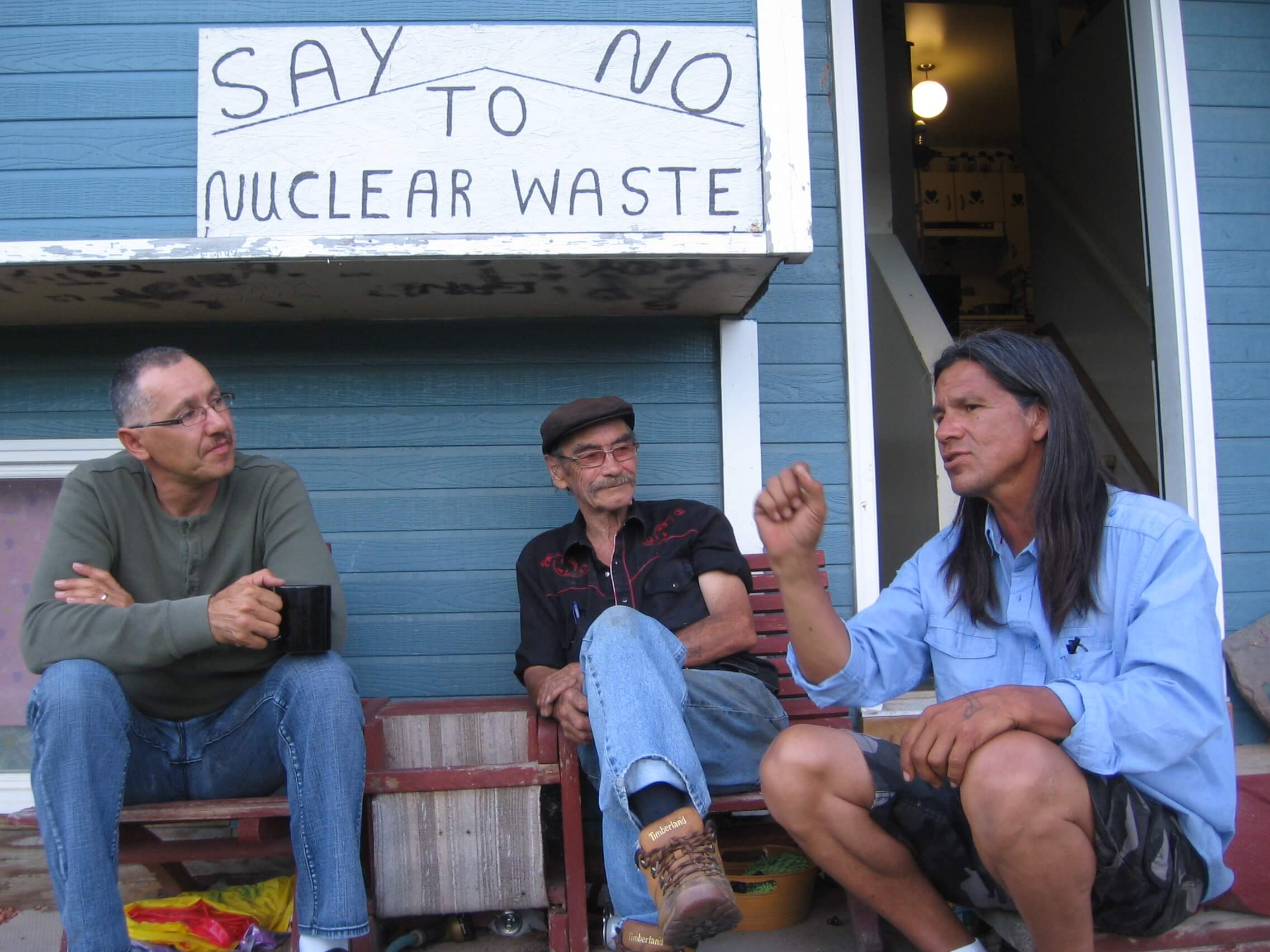
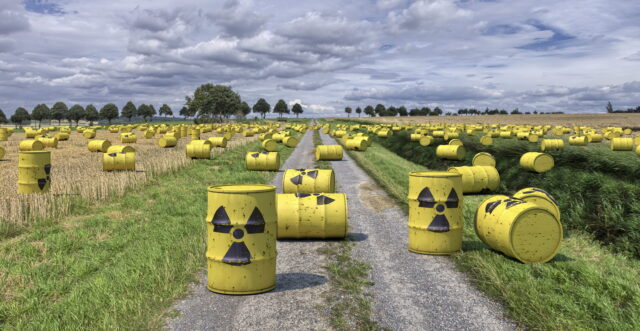
SASKATCHEWAN: TOXIC WASTE DUMP? is a 47-minute educational documentary film by Myek O’Shea that looks at the various agencies involved in colonial waste management in Canada. This low-budget independent film takes viewers to the front-line of the back end of the nuclear industry.
This story begins in 2009 when the Nuclear Waste Management Organization comes to Regina SK to share their agenda of disposing eastern Canada’s highly radioactive nuclear waste in the prairies.
One of the communities that has expressed interest in ‘learning more’ is the northern village of Pinehouse. But what kind of learning are they receiving?
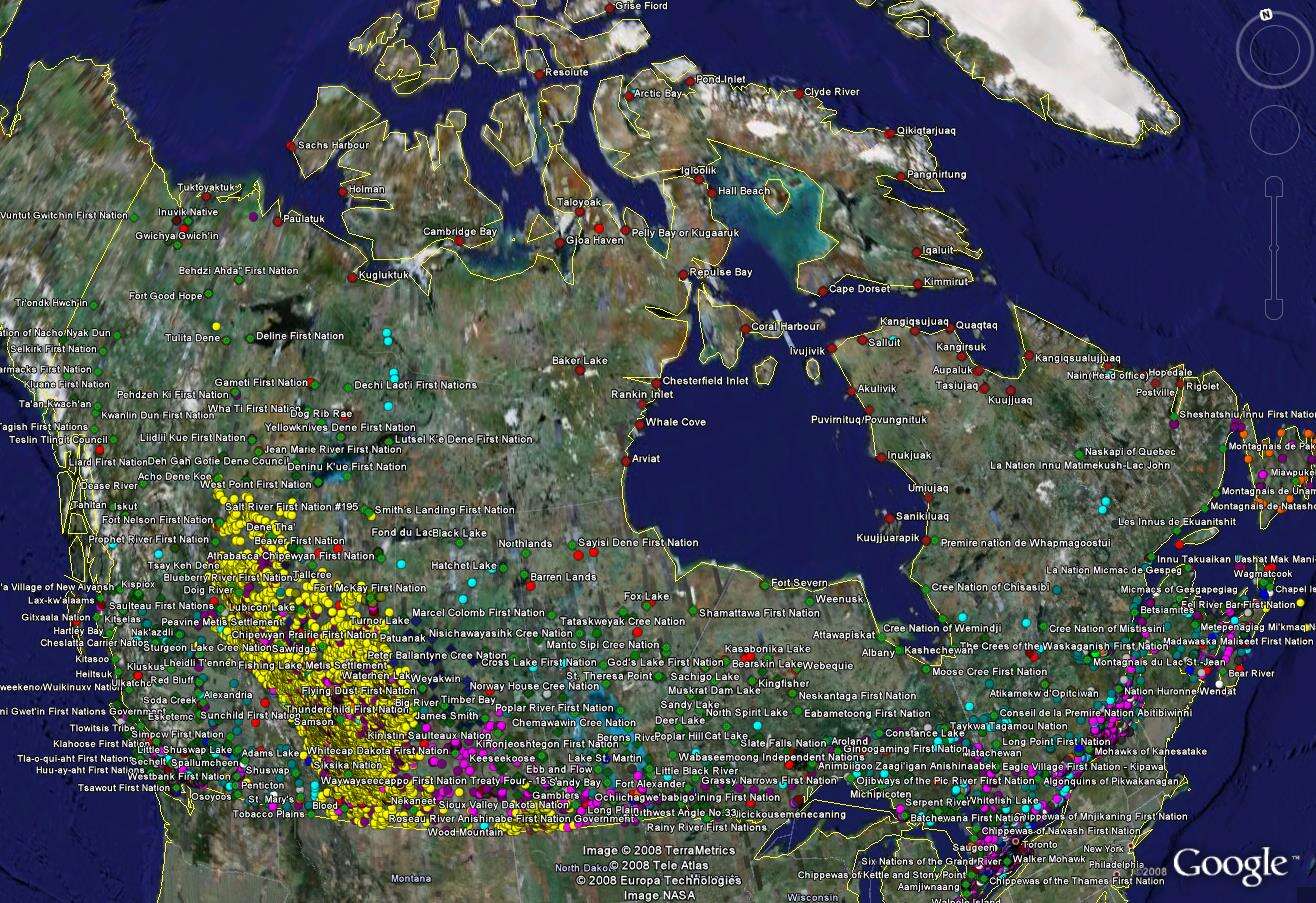
The film takes viewers to the remote northern community of Pinehouse to better understand this nuclear ‘consultation’ that is taking place. The film is an investigation into the larger social justice question regarding the ‘Duty to Consult’.
The film includes interviews with the NWMO, CLC, Sask Party, CNSC, and various representatives from communities in the north.
Across the world right now, Indigenous peoples are facing a renewed assault on their lands, rights, and ways of life.
From extractive industries pushing deeper into ancestral territories, to governments rolling back hard-won protections,
the threat is global—and it is growing.
What makes this moment especially dangerous is how little attention it receives.
Stories like this are disappearing in real time. Mainstream media
barely covers it and the coverage is fragmented. The public is left without the context
needed to understand what is truly at stake.
That is exactly why IC Magazine exists..
For more than 20 years, IC has reported on Indigenous struggles worldwide — consistently, independently, and without compromise.
We don’t follow news cycles; we trace patterns. We don’t sensationalize; we provide context.
And when the world looks away, we stay focused.
But this work is increasingly difficult to sustain.
We refuse to lock our reporting behind a paywall. We don’t sell access through subscriptions.
And we don’t answer to advertisers. IC Magazine survives solely because readers like you choose to
support independent Indigenous journalism.
Please donate today if you can. Every contribution helps us to continue this crucial work.
Thank you,
John Ahni Schertow
Founder and Editor in Chief