
Last Updated on June 4, 2025
Sarawak Gone is an open licensed micro-docs series raising awareness to the persistent decline of indigenous life and culture in Sarawak, Malaysia. The series is presented by the Australian producer and media artist, Andrew Garton.
For more information or to download/order a copy of the film, visit http://www.sarawakgone.cc/
Synopsis
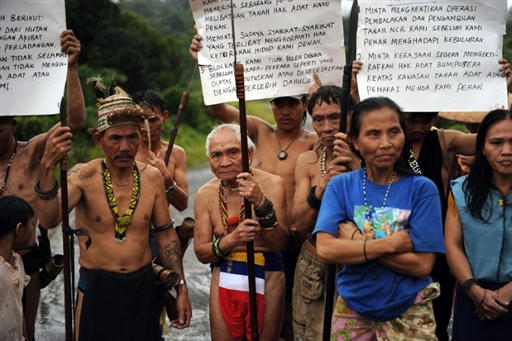
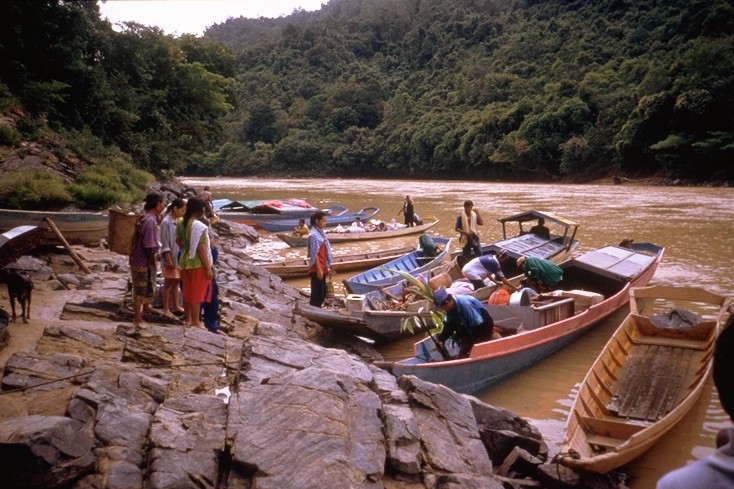
Sarawak is one of two Malaysian states on the island of Borneo and is home to more than 40 unique sub-ethnic groups, or Dayaks. These include the Penan, Iban, Bidayuh, Kenyah and Kelabit. These are the last forest communities of Sarawak and the Bidayuh of Bengoh, are one of the many communities facing eviction, making way for the controversial Bengoh Dam.
The Bengoh Dam is a water reservoir being constructed to supply water to Kuching, the capital of Sarawak. Construction has begun despite reports stating vast reserves of water can be saved were the failing infrastructure in the city repaired, upgraded and maintained. There are also concerns regarding protected flora and fauna, overlooked within the Environment Impact Assessment.
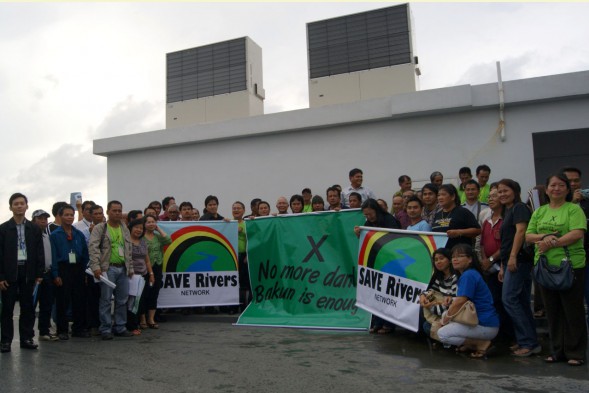
Dams are big business in Sarawak. No less than 12 dams are proposed for construction. Described as Malaysia’s Renewable Energy Corridor, and claims that the program responds to dwindling energy resources and climate change, has already seen the relocation of more than 10,000 indigenous peoples as the first dam, the infamous Bakun Dam, gets under way.
It is alleged that the construction of these dams will increase the wealth and power of Sarawak’s Chief Minister’s family and their operatives. In doing so, this internationally condemned project will see relocation of the last of Sarawak’s forest communities and the inundation of precious primary forest and native habit.
The Sarawak Gone series explores the communities affected, the controversial environment impact assessment drawn up prior to the construction of the dam, how such developments have affected other indigenous communities and their right to customary land.
The series was made with anything! Sony HandyCams, both miniDV and DV8, pocket sized digital cameras, a FlipCam and even a webcam. The total budget was around AUD$5000 and many hours of in-kind by friends and colleagues.
For more information and other micro-docs in the Sarawak Gone series, go to sarawakgone.cc.
Produced and directed by Andrew Garton in collaboration with SACCESS and the Bidayuh of Bengoh, with the support of the Bruno Manser Fonds and Association for Progressive Communications.
Sarawak Gone was completed during a two year artists residency at Clifton Pugh’s Dunmoochin, Victoria, Australia.
Across the world right now, Indigenous peoples are facing a renewed assault on their lands, rights, and ways of life.
From extractive industries pushing deeper into ancestral territories, to governments rolling back hard-won protections,
the threat is global—and it is growing.
What makes this moment especially dangerous is how little attention it receives.
Stories like this are disappearing in real time. Mainstream media
barely covers it and the coverage is fragmented. The public is left without the context
needed to understand what is truly at stake.
That is exactly why IC Magazine exists..
For more than 20 years, IC has reported on Indigenous struggles worldwide — consistently, independently, and without compromise.
We don’t follow news cycles; we trace patterns. We don’t sensationalize; we provide context.
And when the world looks away, we stay focused.
But this work is increasingly difficult to sustain.
We refuse to lock our reporting behind a paywall. We don’t sell access through subscriptions.
And we don’t answer to advertisers. IC Magazine survives solely because readers like you choose to
support independent Indigenous journalism.
Please donate today if you can. Every contribution helps us to continue this crucial work.
Thank you,
John Ahni Schertow
Founder and Editor in Chief