
Last Updated on February 7, 2019
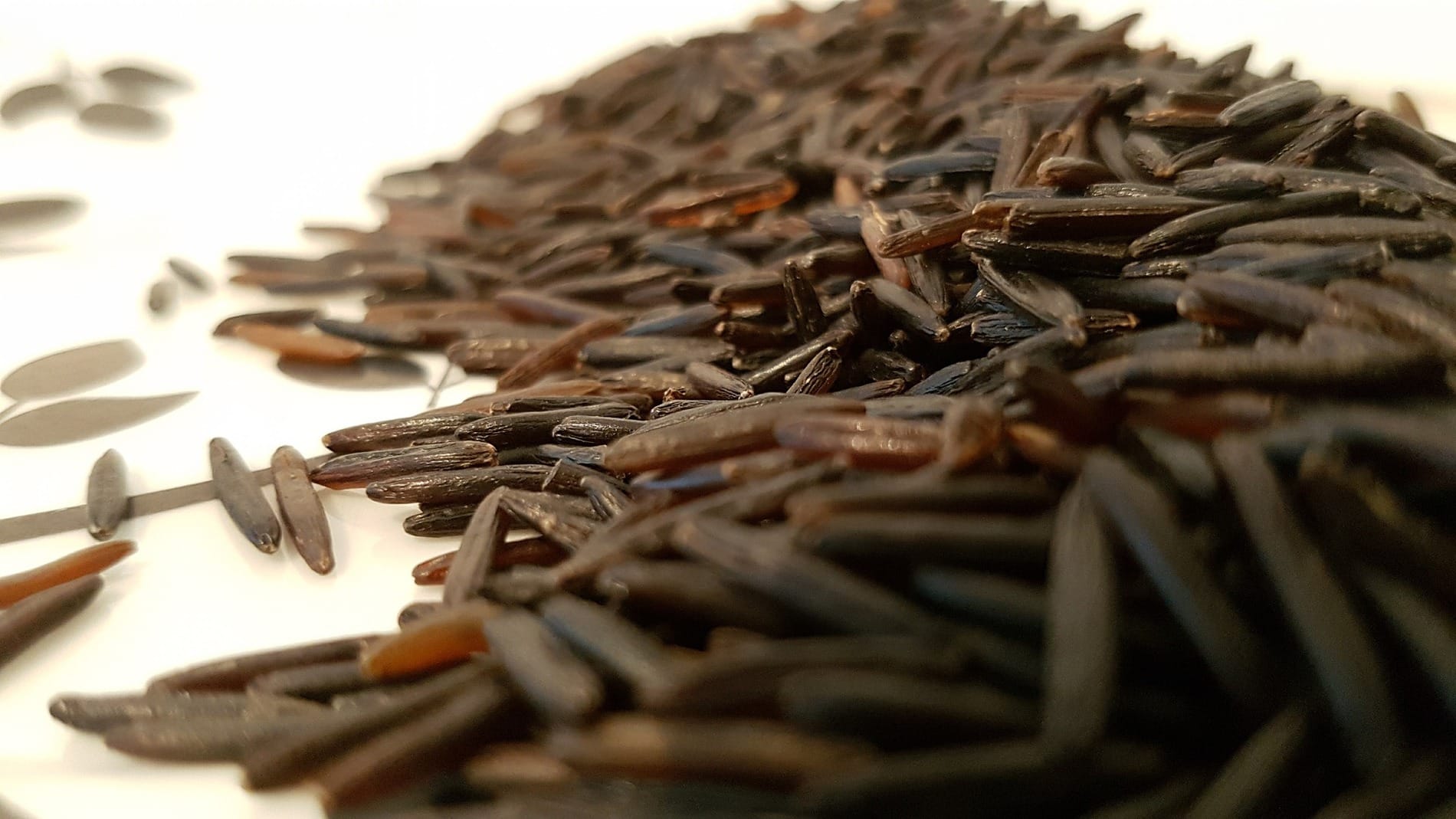
MERCERSBURG, PA: The White Earth Band of Ojibwe – part of the Minnesota Chippewa Tribe – adopted a Rights of Manoomin law. The law protects legal rights of manoomin, or wild rice, securing on- and off-reservation protection of manoomin and the clean, fresh water resources and habitats on which it depends. The 1855 Treaty Authority adopted the Rights of Manoomin as well.
The White Earth tribal resolution explains that Rights of Manoomin was adopted because “it has become necessary to provide a legal basis to protect wild rice and fresh water resources as part of our primary treaty foods for future generations.” This comes as wild rice, a traditional staple and sacred food for this Nation, faces significant impacts from habitat loss, climate change, development, genetic engineering, and other threats.
The Community Environmental Legal Defense Fund (CELDF) assisted Honor the Earth, an indigenous-led environmental advocacy group, in the development of the law.
“Manoomin is sacred to the Anishinaabeg, and it is time the law reflects this,” explains Winona LaDuke, Honor the Earth’s executive director.
“This is a very important step forward in the Rights of Nature movement, as this is the very first law to recognize legal rights of a plant species,” adds Mari Margil, head of CELDF’s International Center for the Rights of Nature.
CELDF has pioneered the first world’s first rights of nature laws, through its partnerships with communities and groups across the United States, with tribal nations, as well as with organizations in Nepal, India, Australia, and other countries.
***
CONTACT:
Nicolette Slagle
Honor the Earth
nicolette@honorearth.org
218-979-0168
Mari Margil
Community Environmental Legal Defense Fund
mmargil@celdf.org
503-381-1755
Across the world right now, Indigenous peoples are facing a renewed assault on their lands, rights, and ways of life.
From extractive industries pushing deeper into ancestral territories, to governments rolling back hard-won protections,
the threat is global—and it is growing.
What makes this moment especially dangerous is how little attention it receives.
Stories like this are disappearing in real time. Mainstream media
barely covers it and the coverage is fragmented. The public is left without the context
needed to understand what is truly at stake.
That is exactly why IC Magazine exists..
For more than 20 years, IC has reported on Indigenous struggles worldwide — consistently, independently, and without compromise.
We don’t follow news cycles; we trace patterns. We don’t sensationalize; we provide context.
And when the world looks away, we stay focused.
But this work is increasingly difficult to sustain.
We refuse to lock our reporting behind a paywall. We don’t sell access through subscriptions.
And we don’t answer to advertisers. IC Magazine survives solely because readers like you choose to
support independent Indigenous journalism.
Please donate today if you can. Every contribution helps us to continue this crucial work.
Thank you,
John Ahni Schertow
Founder and Editor in Chief