Last Updated on January 13, 2026
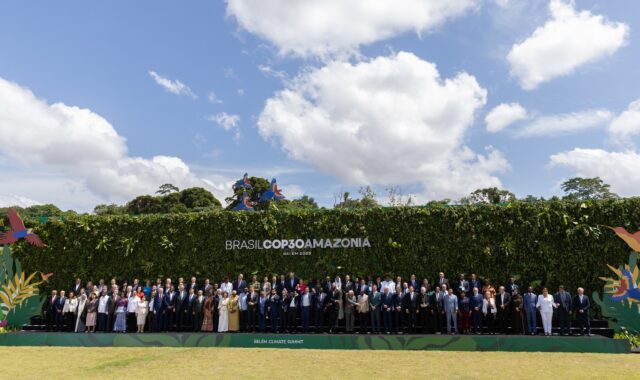
Belém, Brazil — COP30 unfolded in the Amazon, one of the world’s largest carbon sinks and a region stewarded for millennia by Indigenous Peoples. Yet despite its symbolic location, the summit concluded without a single commitment to phase out oil, gas, or coal, revealing a climate negotiation process that continues to privilege corporate power while sidelining Indigenous demands.
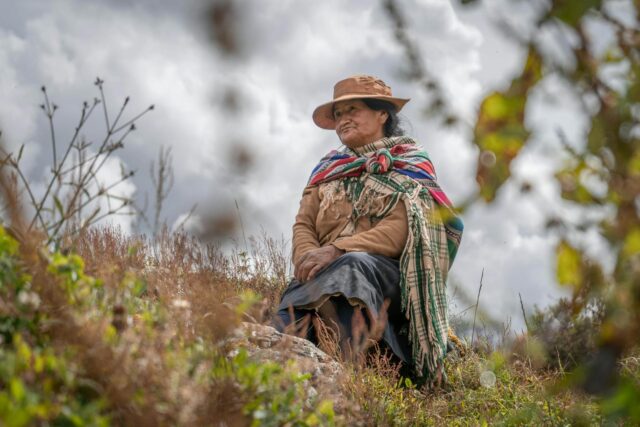
Among the Indigenous leaders who gained limited access to COP30’s formal negotiations was Eronilde de Sousa Fermi, known in her community as Eroca Cambeba, the general chief (cacique) of the Omágua (Cambeba) people from Brazil’s Alto Solimões region, a remote area of the western Amazon bordering Peru and Colombia.
The Alto Solimões region has long been characterized by limited state presence, inadequate public services, and increasing exposure to extractive pressures. For leaders like Cambeba, participation at COP30 did not represent empowerment, it mirrored the precarity they face at home.

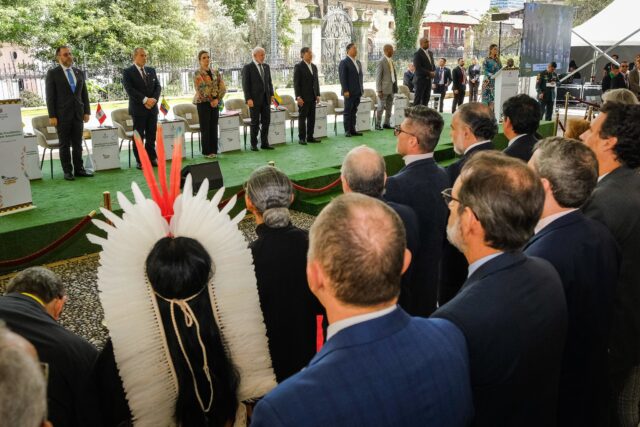
Photo by: Norma Kokama
“I felt very vulnerable throughout COP,” Cambeba said. “For everything, we had to chase after opportunities. People turned a blind eye. I had to survive inside COP the same way I survive in my territory — under threat, with no support.”
While Indigenous delegates struggled for access, fossil fuel interests arrived at COP30 in unprecedented numbers. According to the Kick Big Polluters Out coalition, more than 1,600 fossil fuel lobbyists were accredited — nearly one in every 25 participants — making COP30 the most fossil-fuel-heavy summit in UN climate history.
Their delegations outnumbered those of many frontline nations and far exceeded the number of Indigenous representatives permitted into negotiation spaces. Fossil fuel companies hosted sponsored events, closed-door meetings, and pavilions promoting gas as a “transition fuel,” reinforcing their influence over the agenda.
This imbalance was reflected in the final UNFCCC decision texts, which contained no reference to phasing out or phasing down fossil fuels, despite scientific consensus that limiting warming to 1.5°C requires rapid reductions in fossil fuel production.
COP resulted in the Belen Political Package, which calls for nationally determined contributions and encourages climate finance with global funds for tropical forests while integrating international trade into climate talks.
But Indigenous peoples were left out of the package.
“The Blue Zone is where decisions are made,” Cameba said. “But Indigenous people were a minority there and had no real space to speak. When someone managed to speak, they were not taken into account. They were deciding for us — not with us.”
At COP30, Indigenous Peoples made up thousands of participants in civil society spaces, but only a small fraction, about 360 of the about 2,500 Indigenous representatives, were granted Blue Zone access; a figure consistent with previous COPs.
The Blue Zone, where negotiations occur and binding texts are drafted, is accessible only to accredited delegates holding valid passports and visas. These requirements systematically exclude many Indigenous participants, particularly those from remote regions.
COP30 hosted the largest Indigenous presence in the history of the UN climate process, marked by ceremonies, protests, and cultural events throughout Belém. Yet political authority remained elusive.
“We had no space to talk about land demarcation,” Cambeba said. “Our leaders are being threatened and killed. Our people are dying. No one had space to hear our pain.” Media attention often centered institutional figures rather than grassroots leaders from the territories. A Los Angeles Times report noted that Indigenous demands were “acknowledged but not acted upon.”
Cambeba’s testimony of leaders being threatened and killed for defending their ancestral territories and lifeways from total destruction reflects a documented pattern across the Amazon. According to Global Witness, at least 196 land and environmental defenders were murdered worldwide in 2023, and the real numbers are much higher since most homicides in isolated areas remain unaccounted for. Among them, Brazil ranks among the deadliest countries, with Indigenous Peoples disproportionately targeted representing over 45 percent of victims.
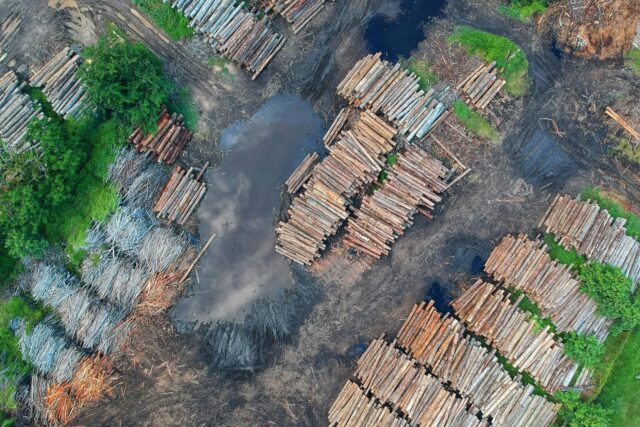
Amazonia accounts for a significant share of these killings, many linked to logging, mining, oil, and agribusiness expansion. Some of the very people leading the climate talks.
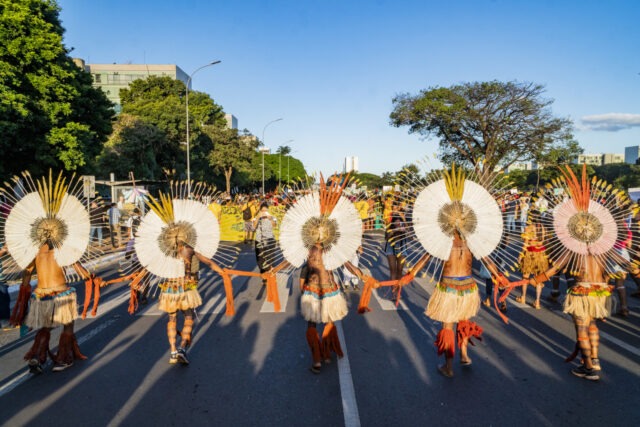
That is why on November 14, 2025, Indigenous activists blocked the main entrance to the COP30 venue, halting sessions for several hours. The protest demanded full negotiation access, binding protections for Indigenous lands, and an end to fossil fuel expansion.
“The COP was planned to talk about what they wanted to talk about,” explains Cambeba. “We had to march to show the world that Indigenous people were there — revolted, claiming our rights.”
Indigenous participants were silenced, excluded from decision making spaces, and hosted in precarious accommodations, one of which flooded affecting Indigenous delegates. The Amazonia COP was designed for anything but to engage Indigenous voices in global solutions to address the climate crisis.
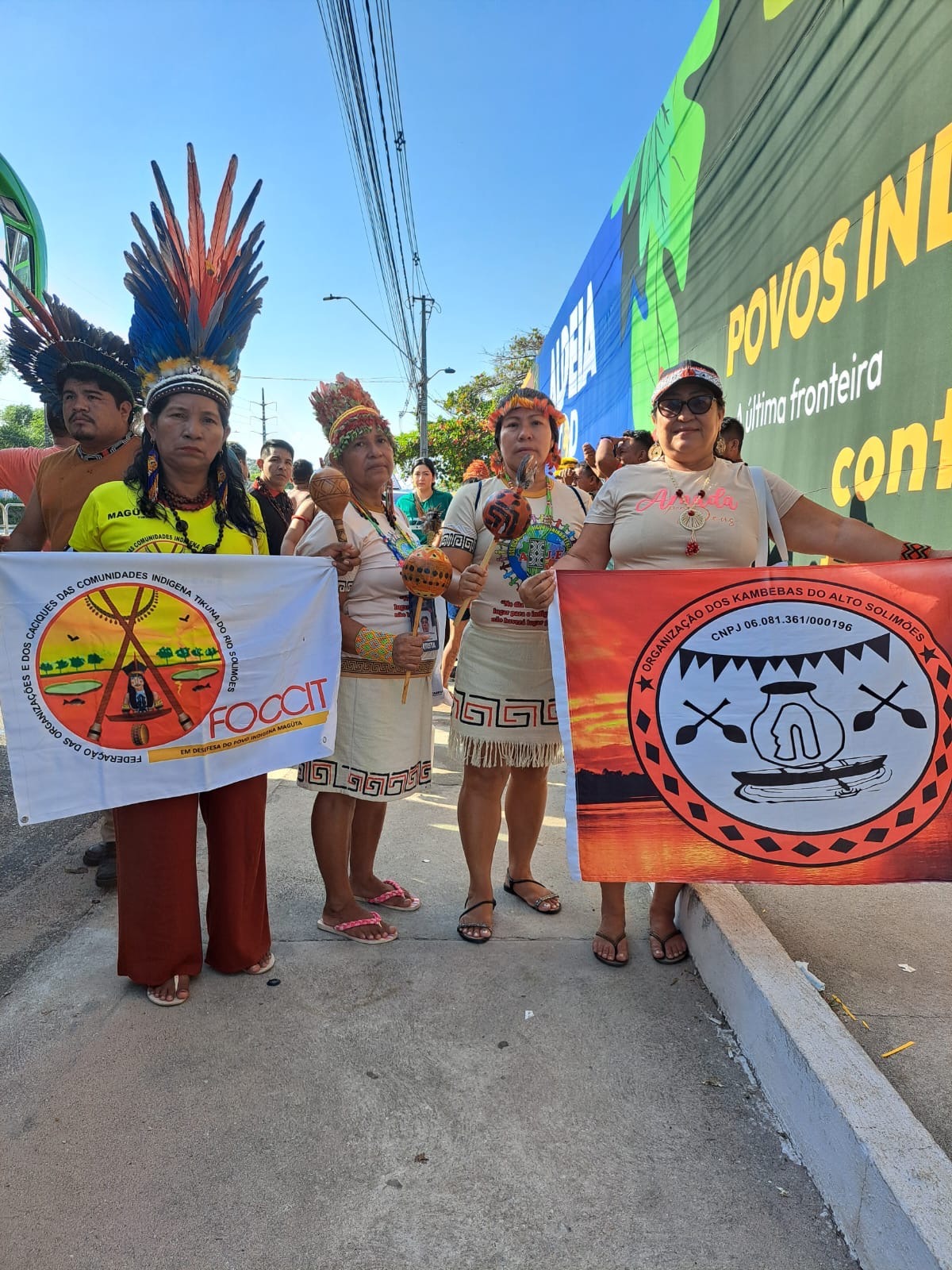
Photo by: Norma Kokama
COP30 did not merely fall short in representing Indigenous Peoples; it reinforced a climate governance structure that continues to concentrate decision-making power in the hands of states and corporate actors most responsible for ecological harm.
While Indigenous territories protect an estimated 80 percent of the world’s remaining biodiversity, the communities defending them were largely excluded from the negotiations determining the planet’s climate future. This imbalance is not symbolic; it shapes outcomes. Scientific assessments from the IPCC have consistently concluded that limiting warming to 1.5°C requires rapid, absolute reductions in fossil fuel production, yet COP30’s final texts avoided any commitment to phasing out oil, gas, or coal, even as fossil fuel lobbyists maintained unprecedented access to negotiators.
For leaders like Cambeba, the consequences of this exclusion extend far beyond the conference halls of Belém. As extractive expansion accelerates across the Amazon, Indigenous defenders face escalating threats, violence, and criminalization for protecting lands that function as critical carbon sinks. “Real protection means demarcating Indigenous lands and supporting those who defend them,” Cambeba said. Without binding commitments to land rights, enforcement mechanisms, and Indigenous political authority within climate negotiations, participation at COPs remains largely performative.
If future summits continue to prioritize fossil fuel influence over the knowledge and sovereignty of Indigenous nations, the question is no longer whether COPs are listening, but whether Indigenous Peoples can afford to keep wasting their remaining energy in a process that has repeatedly failed to act.
This article is a part of Hotspots, a journalistic collaboration between IC, Professor Manuela Picq and her students at Amherst College.
Across the world right now, Indigenous peoples are facing a renewed assault on their lands, rights, and ways of life.
From extractive industries pushing deeper into ancestral territories, to governments rolling back hard-won protections,
the threat is global—and it is growing.
What makes this moment especially dangerous is how little attention it receives.
Stories like this are disappearing in real time. Mainstream media
barely covers it and the coverage is fragmented. The public is left without the context
needed to understand what is truly at stake.
That is exactly why IC Magazine exists..
For more than 20 years, IC has reported on Indigenous struggles worldwide — consistently, independently, and without compromise.
We don’t follow news cycles; we trace patterns. We don’t sensationalize; we provide context.
And when the world looks away, we stay focused.
But this work is increasingly difficult to sustain.
We refuse to lock our reporting behind a paywall. We don’t sell access through subscriptions.
And we don’t answer to advertisers. IC Magazine survives solely because readers like you choose to
support independent Indigenous journalism.
Please donate today if you can. Every contribution helps us to continue this crucial work.
Thank you,
John Ahni Schertow
Founder and Editor in Chief