
Last Updated on February 2, 2026
On World Wetlands Day, the United Nations is spotlighting the vital role of Indigenous traditional knowledge in safeguarding the world’s remaining wetlands.
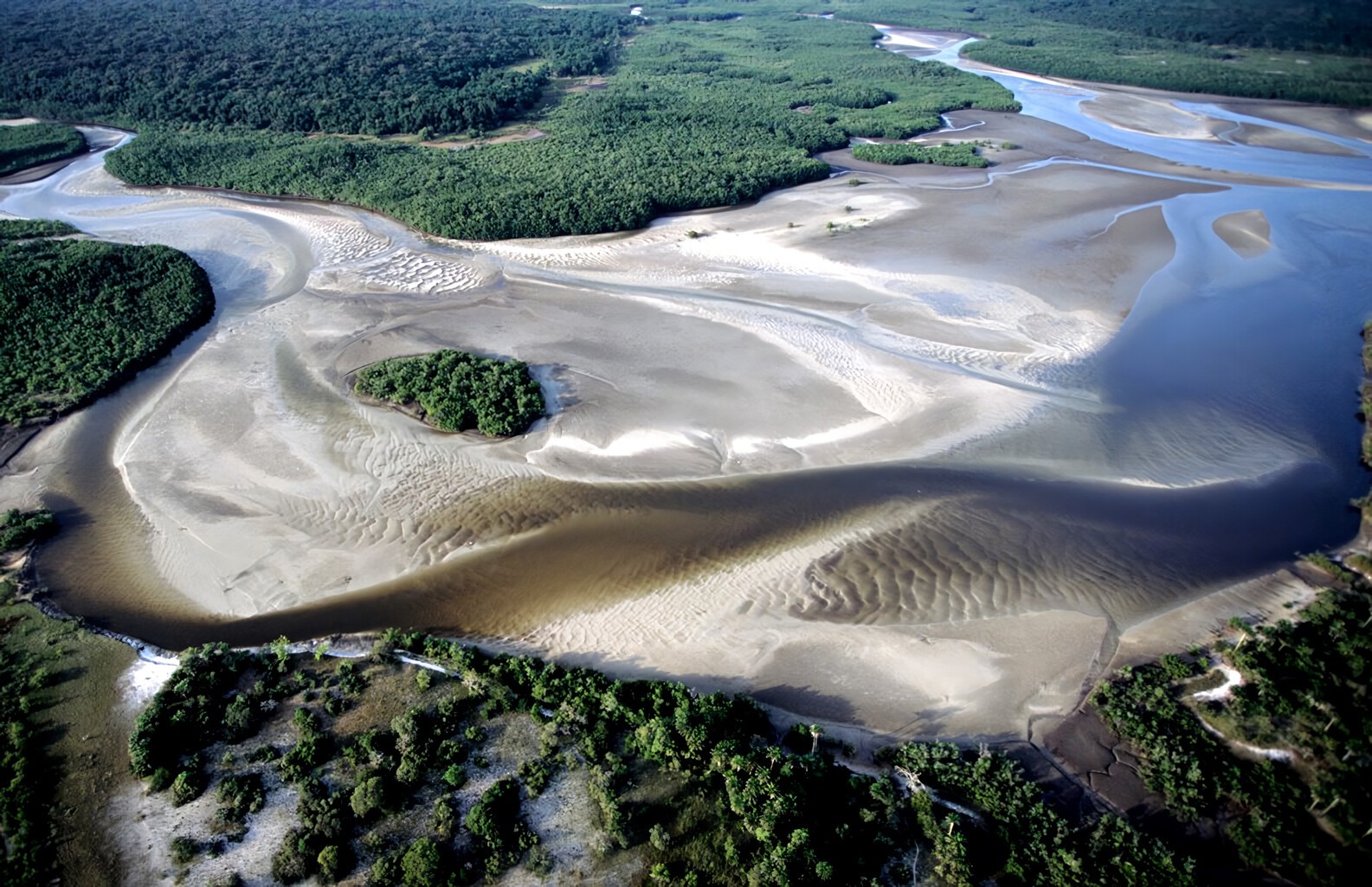
Each year on Feb. 2, nations observe World Wetlands Day to raise awareness about these rich landscapes, where freshwater, saltwater or brackish water covers soil either permanently or seasonally. The observance marks the anniversary of the 1971 Convention on Wetlands, an international treaty aimed at conserving and wisely using these ecosystems that sustain biodiversity, regulate climate and support human life.
For 2026, the official theme — “Wetlands and Traditional Knowledge: Celebrating Cultural Heritage” — underscores how Indigenous peoples and local communities have stewarded wetlands for centuries using deep-rooted systems of observation, practice and respect for nature. The campaign emphasizes that such knowledge complements modern science in conserving these ecosystems amid a vast array intensifying threats.
Wetlands regulate water flows, store carbon, maintain biodiversity and protect communities from floods and droughts, notes Celeste Saulo, general secretary of the World Meteorological Organization.
“For generations, indigenous peoples and local communities have protected wetlands through knowledge systems based on observation, management and deep respect for nature,” she said.
Numerous studies have shown that Indigenous-governed wetlands often show stronger ecological integrity. Traditional practices such as crop rotation, community-based species protection and holistic water management help maintain natural balance and resilience, which is becoming increasingly critical as global wetland loss accelerates.
Despite their importance, nearly 70 percent of the world’s wetlands have been lost or degraded since 1900, with degradation occurring at rates three times higher than forest loss, according to data from the Ramsar Convention. Wetlands are home to roughly 40 percent of the planet’s plant and animal species, yet many of those species face escalating threats.
Environmental advocates say the 2026 theme also recognizes wetlands’ cultural significance and the intellectual heritage embedded in Indigenous stewardship. Joint management approaches — such as partnerships between governments and traditional custodians in Australia’s Ramsar wetlands — are increasingly cited as models of effective conservation that respect both ecological and cultural values.
The UN is calling on governments, policymakers, communities and the public to elevate traditional knowledge in global environmental frameworks and support Indigenous-led conservation as part of the broader effort to protect wetlands for future generations.
Across the world right now, Indigenous peoples are facing a renewed assault on their lands, rights, and ways of life.
From extractive industries pushing deeper into ancestral territories, to governments rolling back hard-won protections,
the threat is global—and it is growing.
What makes this moment especially dangerous is how little attention it receives.
Stories like this are disappearing in real time. Mainstream media
barely covers it and the coverage is fragmented. The public is left without the context
needed to understand what is truly at stake.
That is exactly why IC Magazine exists..
For more than 20 years, IC has reported on Indigenous struggles worldwide — consistently, independently, and without compromise.
We don’t follow news cycles; we trace patterns. We don’t sensationalize; we provide context.
And when the world looks away, we stay focused.
But this work is increasingly difficult to sustain.
We refuse to lock our reporting behind a paywall. We don’t sell access through subscriptions.
And we don’t answer to advertisers. IC Magazine survives solely because readers like you choose to
support independent Indigenous journalism.
Please donate today if you can. Every contribution helps us to continue this crucial work.
Thank you,
John Ahni Schertow
Founder and Editor in Chief