
Last Updated on August 14, 2025
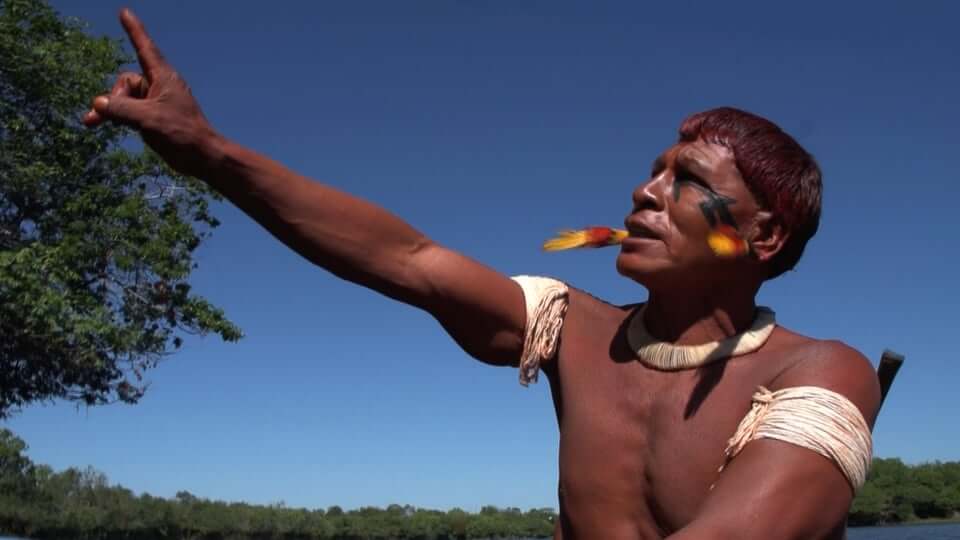
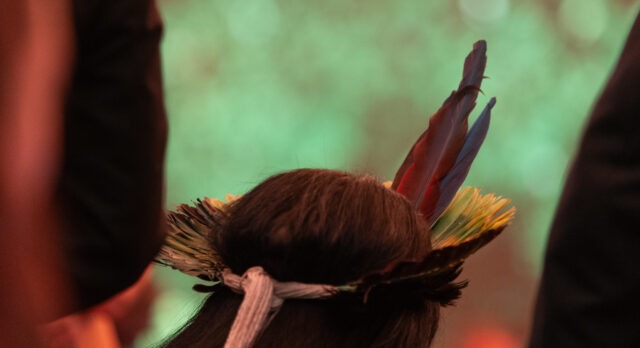
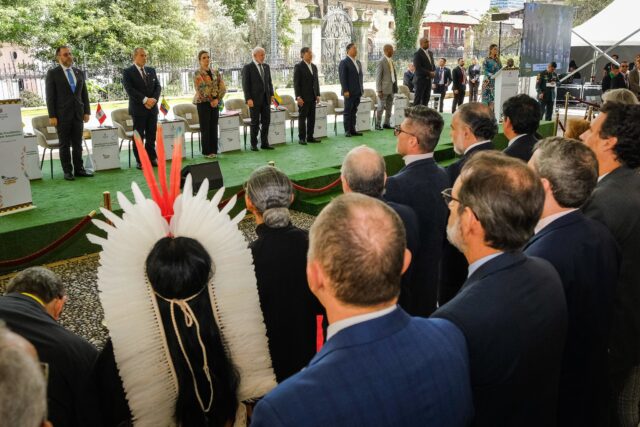
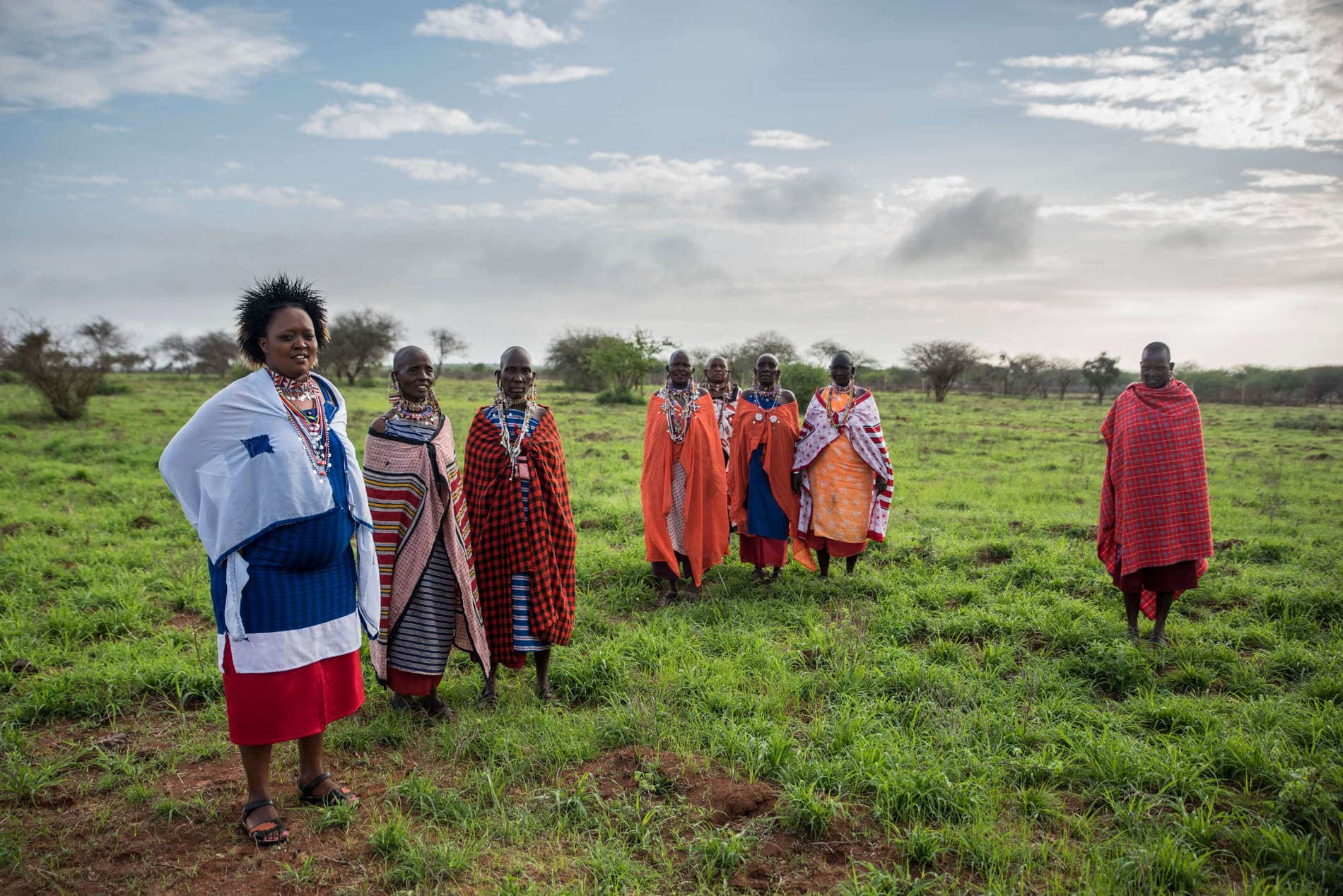
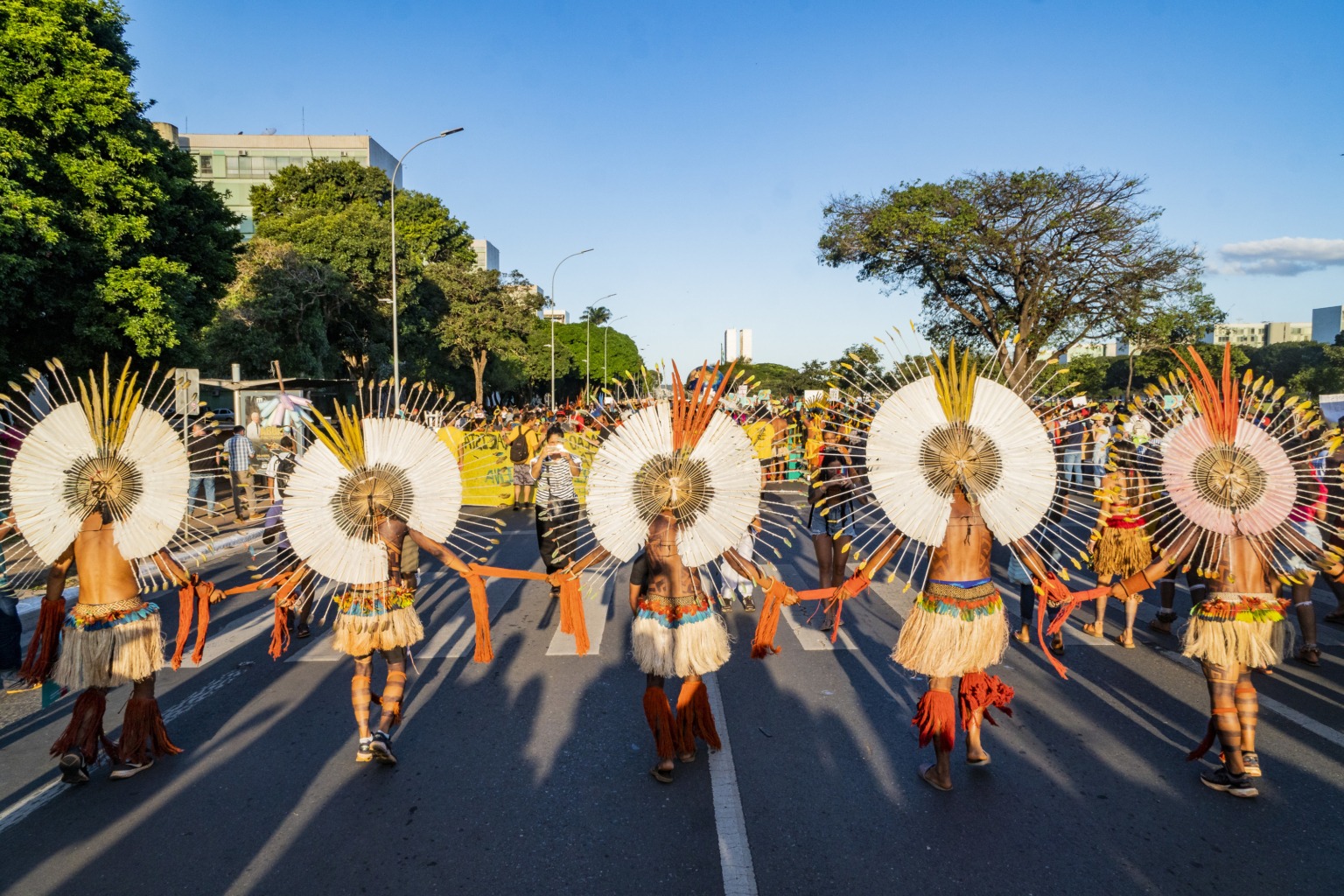
In a powerful call to action ahead of the UN Climate Conference (COP30) in Belém this November, a coalition of more than 300 Indigenous peoples from across Brazil has presented a sweeping set of demands for the country’s updated climate commitments, insisting that the demarcation and protection of Indigenous territories must be formally recognized as a central pillar of Brazil’s Nationally Determined Contribution (NDC) under the Paris Agreement.
The 19-page declaration, signed by the Articulação dos Povos Indígenas do Brasil (APIB) and regional Indigenous federations, argues that Indigenous lands are “the last barriers to global collapse.”
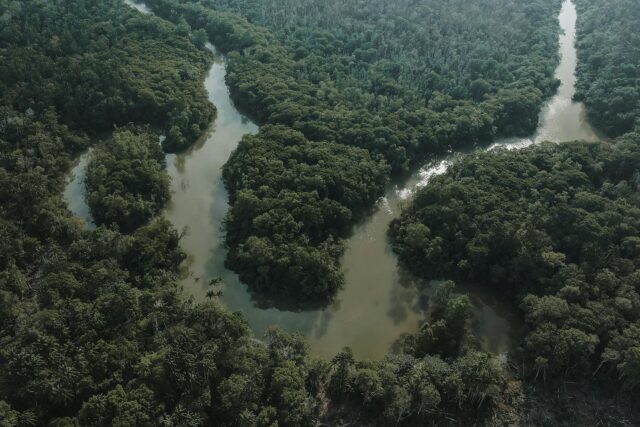
Data cited in the document shows that while Indigenous lands cover 13.8% of the country, they have lost only 1.2% of native vegetation over the last 40 years — compared to 14.8% nationwide. These territories store an estimated 42 billion tonnes of carbon, more than half of the above-ground carbon in the Amazon.
“We are not just allies in the fight against the climate crisis. We are protagonists in confronting the scenario of destruction and degradation of our common goods.”
“Without our territories, the planet collapses,” the statement declares, arguing that Brazil’s climate strategy will fail unless it embeds land rights and traditional governance in its NDC targets. Among the demands are:
The statement also calls for a “just transition” away from fossil fuels without shifting the burden onto Indigenous territories through biofuel monocultures or mining. It further demands legal safeguards for Indigenous environmental defenders, many of whom face violence, criminalization, and assassination for protecting their lands.
We are ready to contribute and to lead — with concrete proposals, ancestral science, genuine alliances, and a non-negotiable commitment to life and our territories. Keeping our biomes alive means keeping the planet — and all of us — alive.
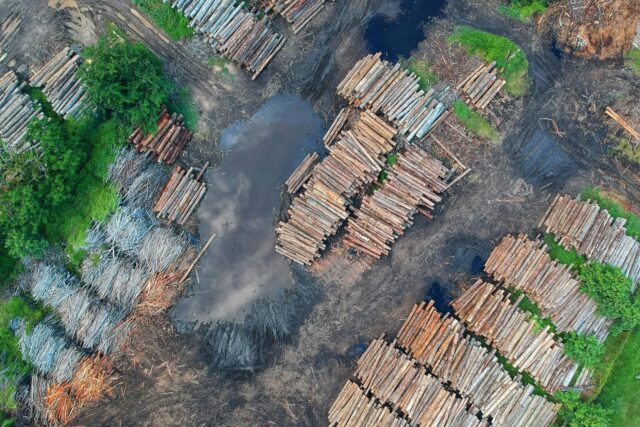
Indigenous leaders point to decades of evidence showing that demarcated lands are the most effective defense against deforestation. Even during the peak years of forest loss under the Bolsonaro administration (2019–2021), deforestation rates within recognized Indigenous territories remained dramatically lower than in unprotected lands. Yet more than 270 territories remain stuck in bureaucratic limbo, with many facing escalating invasions and environmental destruction.
The release of the Indigenous NDC comes as global climate talks enter a critical phase. The year 2024 was the hottest ever recorded, averaging 1.55°C above pre-industrial levels with Brazil remaining the world’s seventh-largest emitter of greenhouse gases.
The Indigenous coalition frames COP30 as a decisive turning point, stating, “We are not just allies in the fight against the climate crisis. We are protagonists in confronting the scenario of destruction and degradation of our common goods. Our territories, shaped by our ancestral ways of life, are the last barriers against global collapse. What happens in our lands reverberates across the entire world — without our territories, the planet collapses.
“Current climate policies and actions do not match the gravity of the moment. Time has run out. COP30 will be a turning point: either it will put Indigenous Peoples and Territories at the center of climate decisions, or it will be remembered as complicit in collapse.”
While Brazil’s COP30 presidency has embraced the concept of mutirão — collective action — the Indigenous leaders warn that symbolic gestures will not suffice. “It is not enough to adopt our concepts,” the document concludes. “It is necessary to implement our contributions: to protect our lives, territories, and rights with concrete commitments… The answer is us.”
Across the world right now, Indigenous peoples are facing a renewed assault on their lands, rights, and ways of life.
From extractive industries pushing deeper into ancestral territories, to governments rolling back hard-won protections,
the threat is global—and it is growing.
What makes this moment especially dangerous is how little attention it receives.
Stories like this are disappearing in real time. Mainstream media
barely covers it and the coverage is fragmented. The public is left without the context
needed to understand what is truly at stake.
That is exactly why IC Magazine exists..
For more than 20 years, IC has reported on Indigenous struggles worldwide — consistently, independently, and without compromise.
We don’t follow news cycles; we trace patterns. We don’t sensationalize; we provide context.
And when the world looks away, we stay focused.
But this work is increasingly difficult to sustain.
We refuse to lock our reporting behind a paywall. We don’t sell access through subscriptions.
And we don’t answer to advertisers. IC Magazine survives solely because readers like you choose to
support independent Indigenous journalism.
Please donate today if you can. Every contribution helps us to continue this crucial work.
Thank you,
John Ahni Schertow
Founder and Editor in Chief